
Free helpline: 0808 801 0343 Mon to Thur, 10am - 2pm
Advice for children with daytime bladder problems
Bladders often misbehave in childhood. Almost all are functional problems, meaning that everything is in the right place and ought to be able to work properly. Most can be sorted by really working on the 4 steps to a healthy bladder.
How does the bladder work?
When we have a drink, the fluid makes its way through our guts and is absorbed into the bloodstream. Blood is pumped round the body by the heart.
As it flows through the kidneys, it is filtered to remove all the waste liquid.
The waste liquid – urine, or wee – drains down long, thin tubes called ureters and into the bladder.
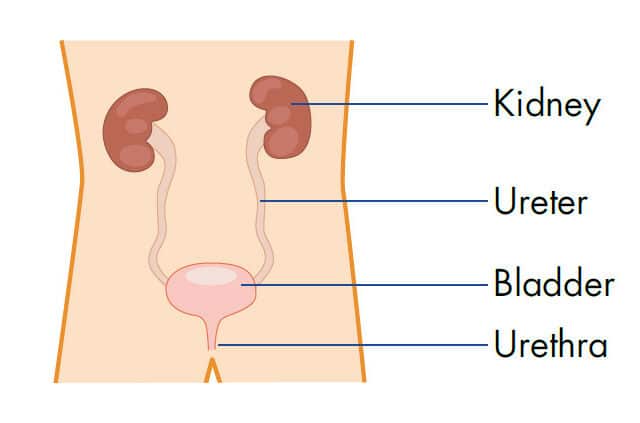
- The bladder stores the wee. It has two sets of muscles:
- The bladder itself is like a balloon made of stretchy-squeezy muscles. They have to relax to allow the bladder to fill with wee.
- Holding on muscles at the base of the bladder contract to hold all the wee in.
- When the bladder is full, the stretchy muscles send a message to the brain saying that we need a wee.
- The brain responds with a message telling the two sets of muscles what to do: the holding on ones to relax and open, and the others to squeeze and keep squeezing until the bladder is empty. OR, if it’s not convenient to empty straight away, the brain sends a message telling the muscles to wait.
4 Steps to a healthy bladder
A healthy bladder stores wee at low pressure and empties between 4 - 7 times a day in school aged children and more frequently in younger children.
Step 1. The first thing to check out is the bowel!
A poo traffic jam would mean that the space where the bladder needs to expand and fill is occupied by the full bowel. Poo traffic jams – also known as constipation – are really common in children.
So, if the bladder is not behaving properly, always suspect poo might be the culprit!
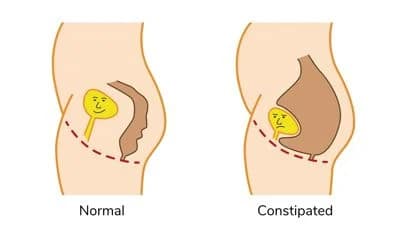
How does constipation affect the bladder?
- Frequent, small wees
- Urgency (having to rush to the toilet).
- Daytime wetting
- Night time wetting
- Risk of Urinary Tract Infection (UTI)
How do you check?
- Poo should always be soft and easy to pass.
- Children should poo between 3 times a day and 4 times a week.
- Big poos, swollen tummy and soiled pants all suggest constipation. Check out ERIC’s Advice for Children with Constipation for more clues and info on how to treat it.
Step 2. Look out for a urinary tract infection
Bugs in the wee can make the bladder misbehave. Sometimes the child doesn’t seem ill, so you wouldn’t guess they had a UTI.
How would a UTI affect the bladder?
- Frequent, small wees.
- Urgency
- Daytime wetting
- Night time wetting
How do you check?
- The wee might be smelly and/or cloudy
- The child may complain of tummy ache or stingy wee.
- See the GP – there is a simple test that can be done to confirm a UTI.
Step 3. Get the drinking right!
What you drink plays a really big part in how your bladder behaves. Remember bladders are made of muscle – all muscles need to be exercised to keep fit.
Have plenty to drink
- At least 6 – 8 cups of drink a day.
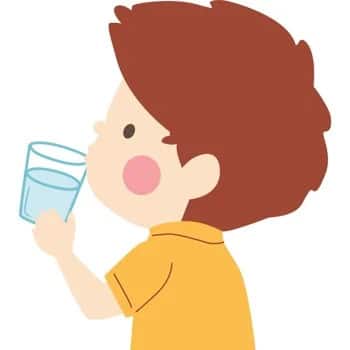
- Choose a suitable cup for your child’s size – e.g. 200mls for 7 year old, 250mls for 11 year old.
- Concentrated wee is really bad for bladders! It irritates the bladder, and makes it squeeze when it shouldn’t.
- Have a look at our Wee Checker to see how well hydrated you are.
Spread the drinks out
- Start with a couple of drinks first thing in the morning.
- Continue to drink through school/nursery – don’t wait until home time!
- Use a Drinking Reward Chart to plan healthy drinking.
Drink the right things
- Water is best
- Milk in moderation is fine.
- Well diluted fruit juice and squash are also ok.
What to avoid
- Caffeine (e.g. cola, energy drinks, coffee, tea). Bladders really don’t like it!
- Some people find fizzy drinks and/or blackcurrant, orange, artificial colouring, flavouring, sweeteners make their bladder misbehave, because they are potential bladder irritants.
Step 4. Relax to wee
When it’s time to do a wee, messages from the brain tell the two sets of muscles what to do to let the wee out. But, the messages can’t get through unless we relax.
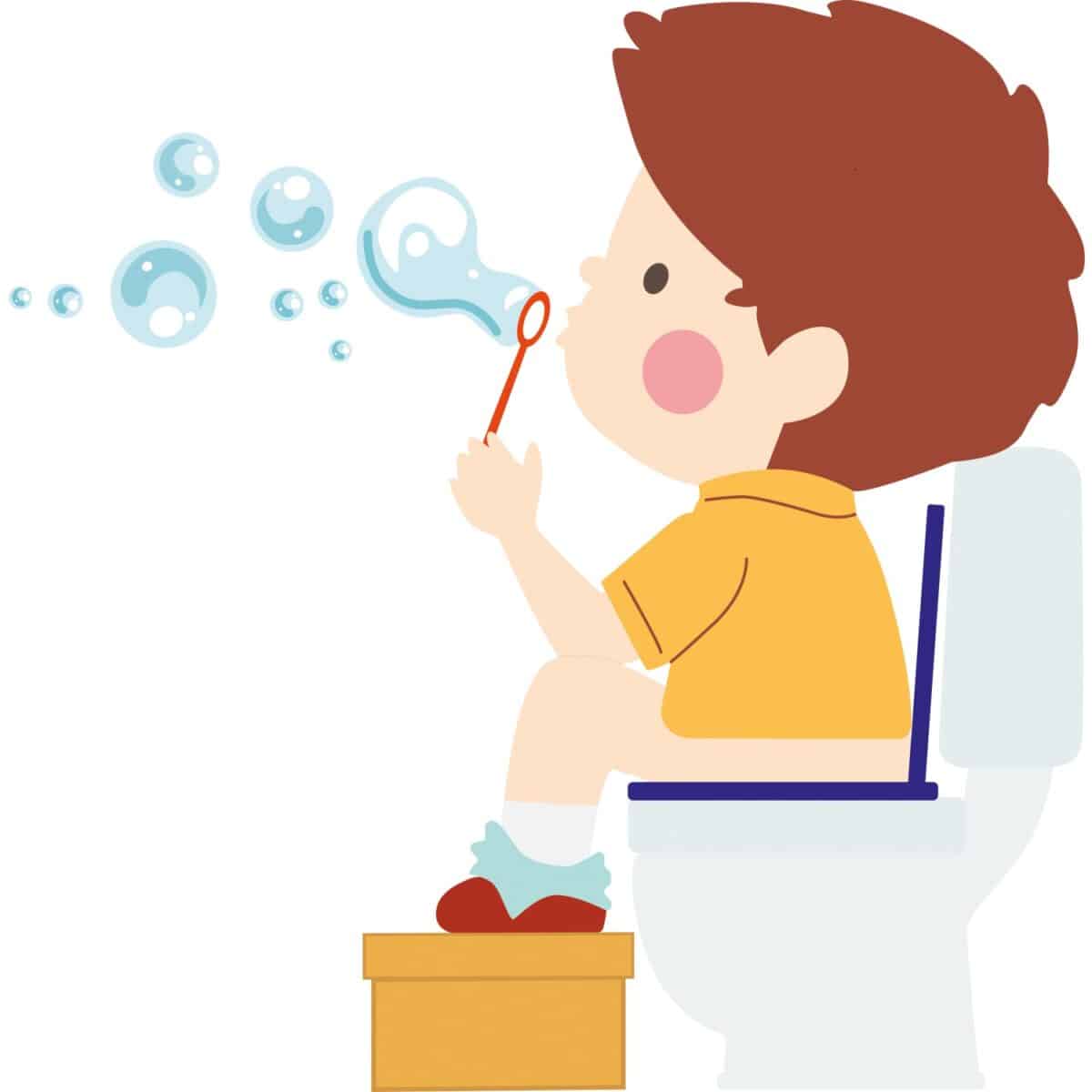
- Sit in the right way – feet flat and firmly supported on a box or stool, knees above hips. Secure sitting position – your child might need a children’s toilet seat.
- RELAX to let the wee out. So keep toys, games and books beside the toilet.
- Take your time.
- Boys don’t need to stand to wee! It’s much easier to relax sitting down, and it helps the bladder to empty as much wee out as possible. Plus they might need a poo.
Children usually need to wee 4 – 7 times a day. Postponing wees is bad for the bladder – so is weeing too often!
Encourage your child to listen out for signals from their bladder – and to respond straight away. Use a Toileting Reward Chart to help plan toilet visits if necessary, and to provide motivation!
Don't worry!
Things might get worse before they get better – a bladder that is not used to storing much wee won’t instantly cope with increased drinks! It takes time to encourage the bladder to behave.
What if problems persist?
- Keep a record of how the bladder is behaving noting drinks, toilet trips and accidents. ERIC's Intake-Output Chart will help you document all the details.
- See your GP:
- Take the chart and tell them all your child’s symptoms
- The GP should examine your child and ask questions to find out if the bladder problems could be caused by an underlying condition. This is rare, but it is important to check.
- There are several different reasons why bladders misbehave – a detailed assessment will help decide what is going on and determine treatment. The GP might do this themselves, or they might refer the child to a specialist clinic.
- Think about some products to help manage any wetting. It will take time to diagnose and treat the problem; in the meantime reduce the stress by trying washable absorbent pants or small disposable pads. Look at ERIC’s online shop for ideas.
More info
Last Reviewed: January 2024
Next Review: January 2027
On this page...
Upcoming events
Share this page